The 10 Largest Telecom Companies by Revenue
Below is a detailed breakdown of the world’s biggest telecommunications companies based on their latest trailing 12-month (TTM) revenues. These corporations represent countries such as the United States, Germany, France, Japan, and the United Kingdom—proving that the telecom boom is an international story.
1. Verizon Communications (USA)
Verizon remains one of the biggest and most influential mobile network operators in the world. With more than $134 billion in revenue, Verizon leads the U.S. telecommunications sector with a strong focus on consumer wireless, entertainment services, cloud systems, and advanced networking.
The brand is known for its reliable 5G rollout and broad business solutions, including managed network services, security tools, and wide-ranging enterprise connectivity.
2. Comcast Corporation (USA)
Comcast is not only a telecom company—it is a media empire. With over $123 billion in revenue, it operates broadband internet, cable TV, wireless services, and one of the largest streaming platforms, Peacock.
Comcast also owns major media brands, theme parks, and sports franchises, making it one of the most diversified corporations on this list.
3. AT&T Inc. (USA)
Founded in the 1800s and closely linked to the early history of the telephone, AT&T remains a giant in telecommunications. With strong wireless divisions, internet services, and historic mergers, AT&T has transformed into a digital services powerhouse.
The company’s recent media restructuring reflects its shift back to its telecom roots while expanding its global network management.
4. Deutsche Telekom (Germany)
With operations in more than 50 countries, Deutsche Telekom is one of Europe’s strongest telecom forces. Its ownership of T-Mobile US further extends its influence into North America.
Deutsche Telekom is heavily investing in 5G infrastructure, fiber networks, and enterprise digital transformation products.
5. Nippon Telegraph & Telephone (Japan)
NTT is one of Japan’s largest companies, providing fixed-line, mobile, and enterprise IT solutions across Asia. Its diversified portfolio includes real estate, financial technology, cybersecurity, and cloud ecosystems.
NTT remains a technological pioneer thanks to its focus on future-ready network architecture.
6. T-Mobile US (USA)
T-Mobile’s explosive growth—boosted by its merger with Sprint—has made it one of the most aggressive market competitors in the United States. Its user-friendly plans, strong 5G network expansion, and consumer-driven branding have earned it widespread popularity.
With over $80 billion in revenue, T-Mobile continues reshaping competition among American mobile network operators.
7. Charter Communications (USA)
Charter, best known for its Spectrum brand, offers broadband, voice, WiFi, and business network solutions. As one of the largest cable companies in America, it continues to develop state-of-the-art fiber infrastructure to meet rising internet demands.
8. Orange S.A. (France)
Orange serves more than 28 countries across Europe, Africa, and the Middle East. Its offerings span fixed-line services, mobile packages, cloud services, cybersecurity, and international roaming.
Orange also leads several digital financial initiatives in African markets, making it a major force in mobile banking.
9. KDDI Corporation (Japan)
KDDI is Japan’s second-largest telecom provider, supplying mobile, broadband, cloud, IoT, and enterprise security solutions. The company is also expanding globally, offering digital transformation tools for businesses across Asia and beyond.
10. Vodafone Group (United Kingdom)
Known for its presence across Europe, Africa, and parts of Asia, Vodafone remains one of the world’s best-known telecommunications companies. Its services include mobile packages, broadband, IoT platforms, and enterprise communication products.
Vodafone is also a leader in next-generation secure networks and cloud services.
How These Telecom Giants Shape the Digital World
The world’s top telecom companies are responsible for much more than making sure your smartphone gets a signal. Their networks support:
✔ Cloud-based business operations
✔ Streaming platforms and online gaming
✔ Smart homes and smart cities
✔ Financial technology
✔ AI-driven applications
✔ Emergency communication systems
✔ Cybersecurity infrastructures
As the global telecom industry continues accelerating, these companies will play an even bigger role in shaping how people work, connect, and communicate.
What Makes a Telecom Company Successful Today?
Success in this evolving sector now requires:
1. Investment in 5G and Fiber
Ultra-fast internet is the backbone of all digital industries.
2. Integration of Cloud and Data Services
Modern businesses rely on cloud infrastructure for daily operations.
3. Customer-Centric Innovation
Flexible plans, strong customer service, and reliable coverage drive user loyalty.
4. Diversified Revenue Streams
From streaming services to IoT ecosystems, telecom companies no longer rely on one product.
5. Cybersecurity Strength
As cyber threats rise, secure networks are more important than ever.
The Future: What to Expect in Telecom
Emerging telecom market trends show that the industry is moving toward:
- AI-driven network management
- Autonomous infrastructure
- More IoT smart devices
- Enhanced digital payment solutions
- Satellite internet expansion
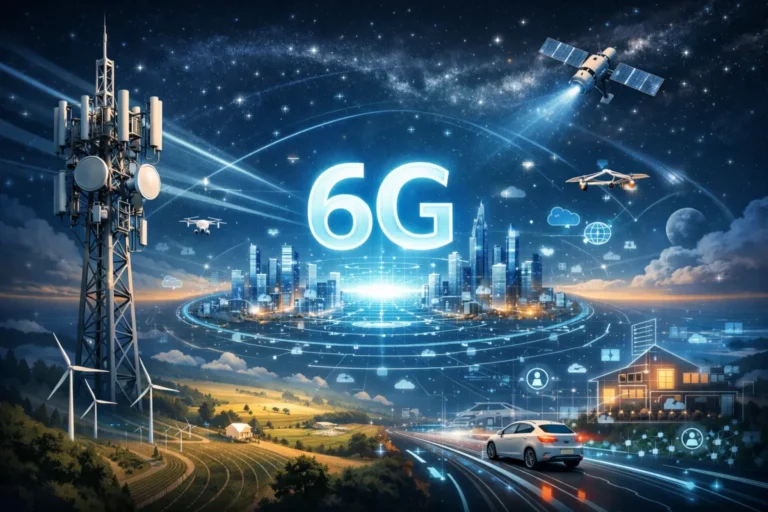
- 6G research and development
These shifts prove that the top telecom companies will continue leading global innovation.
Internal Links for Readers Who Want More Telecom Insights
For more updates, quizzes, and daily tech information, explore:
🔗 Today’s Telenor Quiz Answers
🔗 Latest informative articles and updates
You can also check real-time global telecom data and technology standards at:
🌐 International Telecommunication Union (ITU) – https://www.itu.int
Conclusion: Telecom Companies Are the Backbone of Modern Life
Telecommunications has become one of the most essential industries on the planet. From powering wireless networks to supporting global businesses and everyday communications, the companies listed above drive incredible advancements that affect billions of people.
As the top telecom companies continue to evolve, they will shape the world’s digital future with smarter, faster, and more secure networks. And with new technologies on the horizon—AI, IoT, 6G—the industry is set for even more remarkable growth.
FAQ: People Also Ask
1. Which company is considered the biggest telecom provider in the world?
The biggest telecom provider in the world is typically Verizon or Deutsche Telekom, depending on how revenue and market size are measured. These top telecom companies consistently lead the industry because of their massive global networks, strong 5G coverage, and wide range of consumer and business services.
2. How do top telecom companies generate most of their revenue?
Most telecom companies earn revenue through wireless services, broadband subscriptions, and enterprise solutions like cloud systems and network management. The largest providers also diversify into streaming platforms, cybersecurity tools, and digital payment services to stay competitive.
3. What should I look for when comparing the top telecom companies?
When comparing major telecom companies, focus on network reliability, 5G coverage, internet speed, customer service, and pricing. It also helps to check how much each provider invests in future technologies like fiber infrastructure, cloud services, and IoT connectivity.
4. Why do top telecom companies matter for everyday users like me?
These companies matter because they power almost everything you do online—your calls, messages, streaming, remote work, online classes, and even smart home devices. Strong telecom networks ensure fast, safe, and reliable connectivity, which makes daily life smoother and more convenient.